
Http://DavidSaks.Com
|
 |
Are You An Asshole ? - Six Part Lecture by David Saks
|


|
"When I encounter a mean spirited person, the first thing I think is: Wow, what an asshole ! I bet you do, too. You might call such people bullies, creeps, jerks, weasels, tormentors, tyrants, serial slammers, despots, or unconstrained egomaniacs, but for me at least, Asshole best captures the fear and loathing that I have for these nasty people." ~~~~~~~~~~~~~~~~~~~ -Robert H. Sutton, PhD- Professor of Management Science and Engineering Professor of Organizational Behavior Stanford University
Assholes
& How To Avoid Them ~~~~~~~~~~~~ David Saks
Assholes
and How to Avoid Them is a lecture series by David Saks, presented on his website as a blunt, practical guide to dealing with difficult people. The
page frames it as advice on navigating “assholes” in everyday life, with a focus on survival and avoiding damage rather than reforming
them. What it is: The series appears to be organized as six lectures, which suggests
a structured talk or course rather than a traditional single book. The author’s site describes it in practical terms, emphasizing direct language and real-world
coping strategies. Author context David Saks is also described elsewhere as a journalist
and author of nonfiction for general readers. That helps explain why the project is presented in an accessible, essay-like style rather than as
academic psychology. Best match If you were looking for the work itself, the most relevant
page is the official David Saks entry titled “Assholes & How To Avoid Them - Six Lectures by David Saks”. That is the clearest
source for identifying the title and format. Would
you like a brief summary of the lectures’ themes? The
lectures appear to focus on a few practical themes: recognizing manipulative or selfish behavior early, protecting your time
and boundaries, and
learning when to disengage rather than try to fix difficult people. A broader theme is that “assholes” are often best handled with strategy, not moral outrage. The framing on Saks’s site suggests
the point is survival and avoidance, with blunt advice for navigating people who drain, exploit, or derail others. Another likely theme is self-protection through clarity and realism.
That means trusting your read on someone’s behavior, not excusing repeated bad conduct, and focusing on what actually works in real life
instead of hoping the person will change. The series also
seems to lean toward practical judgment over idealism. Based on how it is presented, the lectures likely emphasize keeping distance, setting
limits, and using common sense when dealing with toxic personalities. Strategies Saks recommends for setting interpersonal boundaries Saks’s boundary advice seems to center on clarity, distance,
and consistency: know what behavior you will not accept, say it plainly, and stop giving repeated second chances to people who keep crossing
the line. In practical terms, that means: Identify the specific behavior you need to limit. Communicate the limit directly and without drama. Follow through if the person ignores it, rather than
negotiating endlessly. Reduce contact
when someone repeatedly drains, manipulates, or disrespects you. His framing is less about “fixing” the other person and more about protecting yourself from predictable
bad behavior. That
makes the boundary strategy more defensive than diplomatic: set the line early, keep it firm, and don’t over-explain
it. Would you like me to turn that into
a one-paragraph practical checklist? Here’s
a concise checklist of the boundary strategies: Identify
the specific behavior you will not accept. State
your limit clearly and directly. Keep
your explanation brief. Watch for repeat
violations. Follow through on consequences. Reduce contact if the behavior continues. Stop trying to persuade or “fix” the person. Protect your time, energy, and attention first. If you want, I can turn this into a one-sentence mantra
or a printable pocket version. Differences between
Saks's approach and common conflict resolution models Saks’s approach seems more avoidant and defensive than most mainstream conflict-resolution models. Where common models aim to repair
the relationship, find common ground, or reach a mutually acceptable outcome, Saks appears to emphasize spotting bad actors early, setting limits,
and disengaging when needed. Main differences Common models like collaboration and compromise try to
solve the conflict itself; Saks’s
framing is more about protecting yourself from the person causing it. Standard conflict methods usually encourage active dialogue, interest-sharing, and negotiation; Saks seems to favor shorter, firmer
boundary-setting with less back-and-forth. Many conflict
frameworks assume both sides can work toward a win-win; Saks’s approach appears to assume some people are not worth negotiating with
and should simply be managed or avoided. Practical
contrast In a typical conflict-resolution model,
you would ask what each person needs and try to build a solution that addresses both sides. In Saks’s style, the priority is more likely to
be: “Is this person safe, reasonable, and worth the effort?” and if not, reduce contact and hold the line. When each works Conflict-resolution models work best when the other person is basically cooperative
and the issue is solvable through communication. Saks’s approach is better suited to recurring disrespect, manipulation, or boundary-pushing,
where more discussion just creates more wear and tear. If you want, I can turn this into a side-by-side comparison table. Context on why Saks frames this advice around survival and avoidance Saks seems to frame the advice around survival because
the underlying assumption is that some people are not merely “difficult” but genuinely costly to your well-being, so the goal becomes
minimizing harm rather than resolving the relationship. That
survival-and-avoidance lens fits a world where repeated boundary violations, manipulation, or disrespect are treated as predictable hazards. In that setting,
the smartest move is to conserve energy, limit exposure, and stop investing in people who reliably escalate problems. It also matches a practical, self-protective style of advice: instead of asking
how to win a conflict, Saks appears to ask how to avoid getting dragged into one at all. That makes the guidance feel less like negotiation
training and more like risk management. A simple way to
read his framing is this: when someone keeps showing you they are unsafe, unreasonable, or exhausting, survival means believing the pattern and
acting accordingly. Tell me more about
David Saks writing David Saks’s
writing, at least as he presents it on his own site, is clear, concise, and aimed at general readers. He says his goal is to explain cultural and historical
subjects in a “friendly” style, using only the facts needed to make the point and avoiding jargon or clutter. A few traits stand out: He values brisk structure and strong organization over exhaustive detail. He tries to write so a motivated teenager could understand
the material. He prefers prose
that teaches without showing off expertise. He
focuses on making the main idea easy to grasp quickly rather than burying it in background. That style fits the tone of Assholes & How To Avoid Them: direct, practical,
and unsentimental. So
even when the topic is blunt, the writing style seems designed to be accessible rather than academic or polished for literary
effect. One useful way to think about his approach is that he
writes like a guide, not an essayist trying to be clever. The emphasis is on clarity, usefulness, and speed of understanding. Examples of behaviors identified as red flags in the
lecture series In
the lecture series, the red flags seem to be less about isolated rude moments and more about repeated patterns of behavior that tell you the person
is likely to waste your time, violate boundaries, or make life harder. Examples that fit that framing include: Constantly pushing past clear limits. Ignoring direct requests. Using charm or friendliness to get access, then turning manipulative. Draining attention without offering reciprocity. Creating drama, conflict, or chaos that other people have to absorb. Acting as if normal rules do not apply to them. The important idea is that Saks seems to treat these behaviors as warning
signals early on, not
as things to excuse and hope will improve. In
that view, the red flag is the pattern itself: if someone repeatedly makes interactions feel costly, the safest response is usually to distance yourself rather than keep
negotiating.
David Saks' Six Part Lecture "Are You An Asshole ?" ~~~~~~~~~~~~  ~~~~~~~~~~~~ In
his series of six lectures titled "Assholes & How To Avoid Them," David Saks provides a blunt, practical guide to navigating difficult people and financial survival.
He frames the term "asshole" as the
most accurate descriptor for "mean-spirited people" like bullies, creeps, and unconstrained egomaniacs who inspire fear and loathing. The Core Philosophy: Saks anchors his lectures in the philosophy
of self-reliance. He frequently uses his signature line—"No
disrespect for Edward Albee, but
I never needed a swine to show me where the truffles are"—to express that individuals should trust their own instincts to find value and identify
trouble without outside help. Advocacy Against
"Assholes" As a musician and
retired real estate broker, Saks applies these lessons to his community advocacy in Memphis. Predatory Lending: He identifies high-interest "debt trap" lenders as a
major class of predatory people to avoid. Fair
Housing: He uses his expertise to fight housing discrimination and ensure neighborhood equity. Blight
Revitalization: He advocates for the restoration of neglected properties to protect long-term residents from the consequences of professional
neglect.
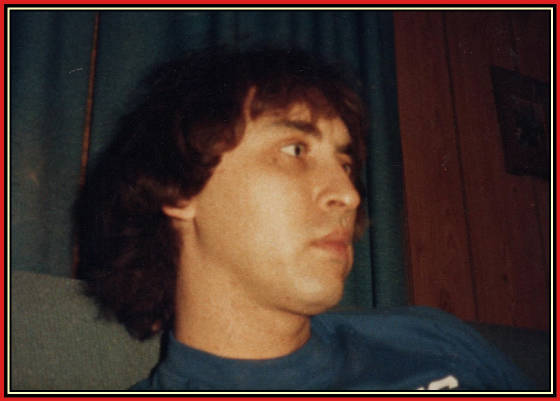 About David David Saks –
Memphis Musician, Radio Personality & Cultural Figure David Saks, born on August 1, 1952, in Memphis, Tennessee, is a multi-talented figure known as a musician, composer, radio personality, real estate broker, and cultural ambassador for Memphis. He has been a prominent
voice in the city's artistic and community life for over five decades. A classically trained pianist, Saks studied at the University of Memphis and the San Francisco Conservatory of Music. He is best known musically for composing "In Memphis" and "One Last
Bridge", both of which were adopted as the Official Songs of Memphis by unanimous resolution of the Memphis City Council in 1990 and 1991. His
music manuscripts are preserved in the Library of Congress. Saks has been a long-time radio personality, hosting shows on campus radio stations including WTGR and WUMR (U92) at the University of Memphis, where he has broadcast jazz, blues, and eclectic music blends since
1969. He also contributed to Rock 103’s "Wake Up Crew" and has been a fixture in Memphis media. Beyond music and radio, Saks is a licensed real estate broker and advocate for fair housing, actively opposing predatory lending practices. He has ties to the Presley
family, having visited Graceland on the day Elvis died (August 16, 1977), and was honored in 1993 with the first officially canceled Elvis Presley commemorative
stamp. A passionate stamp collector, Saks is a director and ambassador for the Memphis Stamp Club and maintains one of the world’s notable
philatelic resources online. David Saks, born August 1, 1952, in Memphis, is a multi-faceted cultural figure known for his contributions to
music, radio, real estate advocacy, and philately. Music & Arts Composed "In Memphis" and "One Last Bridge", adopted as the Official Songs of Memphis by unanimous city council resolution in 1990 and 1991. His music manuscripts are archived in the Library of Congress, and recordings are held in the Memphis Public Library’s Memphis Collection. Classically trained; studied at the University of Memphis and San Francisco Conservatory of Music; played Steinway Hall in New York and London. David Saks, musician and radio personality Began broadcasting at age 17 on WTGR (now WUMR 91.7), the University of Memphis campus radio station, in 1969. Hosted The David Saks Show on WUMR every Saturday night from 9 PM to midnight, focusing on jazz from the bebop era through the 1960s, blended with funk, soul,
and electronic improvisation. Also contributed to Rock 103’s "Wake Up Crew" (2002–2004) and helped launch WLYX (Lynx Radio) at Southwestern College (now Rhodes College) in 1971, where he was the last broadcaster before its transmitter was destroyed
in a 1991 construction accident. Licensed real estate broker and fierce opponent of predatory lending and real estate fraud. Former member of the Memphis Area Association of Realtors Fair Housing Committee. Authored a widely followed real estate fraud blog during the subprime mortgage crisis. Honored on January 8, 1993 (Elvis Presley’s birthday) by Graceland and the U.S. Postal Service as the recipient of the first officially canceled Elvis Presley commemorative stamp, recognized
as a national philatelic treasure. Life member and ambassador of the American Philatelic Society; board member of the Memphis Stamp Collectors Society. Longtime crossword puzzle author for Linn’s Stamp News, the world’s most widely read stamp collecting magazine. Demonstrated community commitment through support for St. Jude Children’s Research Hospital and programs for the physically challenged. David Saks, born August 1, 1952, in Memphis, is a multi-faceted cultural figure known for his contributions to music, radio, real estate advocacy, and philately. Composed "In Memphis" and "One Last Bridge", adopted as the Official Songs of Memphis by unanimous city council resolution in 1990 and 1991. His music manuscripts are archived in the Library of Congress, and recordings are held in the Memphis Public Library’s Memphis Collection. Classically trained; studied at the University of Memphis and San Francisco Conservatory of Music; played Steinway Hall in New York and London. Began broadcasting at age 17 on WTGR (now WUMR 91.7), the University of Memphis campus radio station, in 1969. Hosted The David Saks Show on WUMR every Saturday night from 9 PM to midnight, focusing on jazz from the bebop era through the 1960s, blended with funk, soul, and electronic improvisation. Also contributed to Rock 103’s "Wake Up Crew" (2002–2004) and helped launch WLYX (Lynx Radio) at Southwestern College (now
Rhodes College) in 1971, where he was the last broadcaster before its transmitter was destroyed in a 1991 construction accident. Licensed real estate broker and fierce opponent of predatory lending and real estate fraud. Former member of the Memphis Area Association of Realtors Fair Housing Committee. Authored a widely followed real estate fraud blog during the subprime mortgage crisis. Honored on January 8, 1993 (Elvis Presley’s birthday) by Graceland and the U.S. Postal Service as the recipient of the first
officially canceled Elvis Presley commemorative stamp, recognized as a national philatelic treasure. Life member and ambassador of the American Philatelic Society; board member of the Memphis Stamp Collectors Society. Longtime crossword puzzle author for Linn’s Stamp News, the world’s most widely read stamp collecting magazine. Demonstrated community commitment through support for St. Jude Children’s Research Hospital and programs for the physically challenged. David Saks – Memphis Cultural & Civic Figure David Saks, born August 1, 1952, in Memphis, is a lifelong advocate for the arts, fair housing, and community service, with a career spanning music, radio, real estate, and philately. Radio & Broadcasting Legacy Hosted The David Saks Show Saturday nights from 9 PM to midnight on WUMR 91.7 FM, the University of Memphis
campus radio station for decades. Began broadcasting at WTGR (now WUMR) in 1969 at age 17, making him one of Memphis’s longest-serving radio personalities
with over 50 years on air. Also contributed to Rock 103’s "Wake Up Crew" (2002–2004) and helped launch WLYX (Lynx Radio) at Rhodes College in 1971. Played a key role in WLYX until its destruction in a 1991 construction accident, where
he was the last person on air before the transmitter was destroyed. Music & Cultural Recognition Composer of "In Memphis" and "One Last Bridge", both adopted as the Official Songs of Memphis by unanimous city council resolution in 1990 and 1991. Music manuscripts archived in the Library of Congress; recordings preserved in the Memphis Public Library’s Memphis Collection. Classically trained pianist; studied under Art Bayer (San Francisco Conservatory) and Herbert Hermann (University of Memphis); performed at Steinway Hall in New York and London. Licensed real estate broker and outspoken critic of predatory lending and mortgage fraud. Authored a widely followed real estate fraud blog, citing FBI reports and advocating for fair housing education and anti-trust reform in real estate associations. Retired his real estate license in 2014, citing systemic corruption within the National Association of Realtors (NAR) and affiliated boards. Honored on January 8, 1993 (Elvis’s birthday) by Graceland and the U.S. Postal Service as the recipient of the first officially canceled Elvis Presley commemorative
stamp, recognized as a national philatelic treasure. Life member and ambassador of the American Philatelic Society; long-time crossword puzzle contributor for Linn’s Stamp News. Active in community causes: supported St. Jude Children’s Research Hospital, Special Olympics, Habitat for Humanity, and safety initiatives for real estate professionals.
Composer Official Songs Of Memphis "One Last Bridge" & "In Memphis" 
The Most Valuable Elvis Presley First Day Cover In The World ! The Elvis Presley FDC #1 is widely recognized as the most valuable Elvis Presley First Day Cover
in the world, . This specific philatelic
item holds historic significance as the first cover and stamp to be officially canceled by the United States Postal Service and Graceland
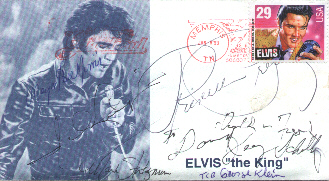
representatives on January 8, 1993, at 12:15 am in Memphis, Tennessee. Key Features and Provenance Signatures: It is signed by Priscilla Presley
and numerous dignitaries including Memphis Mayor Bill Morris, Elvis' best friend Jerry Schilling, Sun Studios founder Sam Phillips,
U.S.
Postmaster General Anthony Frank, and stamp designer Mark Stutzman. Cancellations: The front features a Pitney Bowes machine cancel,
while
the reverse bears the Graceland Gates FDC cancel and an extra January 8 circular date slug to verify its authenticity and timing.
Documentation: The item
includes extensive associative provenance, such as letters of authenticity authorized by Graceland managers,
a guest editorial in
The American Philatelist (March 1993), and a photo of owner David Saks with the cover. Stamp Details: The cover features the 29¢
Elvis Presley Commemorative Stamp, issued on Elvis' birthday in 1993, printed on white un-watermarked paper via photogravure.
The EP FDC #1 is not
just valuable due to its price tag, but because of its unique historical and philatelic significance.
It represents the very
first official cancellation of the 29¢ Elvis Presley Commemorative Stamp (Scott #2721), issued on January 8, 1993,
which was Elvis' birthday. Its provenance is impeccable: It was canceled at 12:15 am at Graceland in Memphis, Tennessee,
making it the first of its kind. The dual cancellation marks—a Pitney Bowes machine cancel on the front
and the iconic Graceland
Gates FDC cancel on the back—along with an extra date stamp, verify its authenticity and timing.
The cover is signed by
key figures including Priscilla Presley, U.S. Postmaster General Anthony Frank, Sun Studios' Sam Phillips, and stamp designer
Mark Stutzman. Owned by philatelist
David Saks, who was present at the historic event and has been featured in philatelic publications,
the item includes extensive
documentation from Elvis Presley Enterprises and the USPS, solidifying its status as the rarest and most valuable Elvis Presley first
day cover in existence. The EP FDC #1 has a significant and well-documented history as the first official cancellation of
the
29¢ Elvis Presley Commemorative Stamp (Scott #2721). Its history began with a decade-long fan campaign following Elvis' death
in 1977. After debate over his
controversial image, the United States Postal Service (USPS) announced on January 7, 1992, that Elvis would be the first honoree in its
new "Legends of American Music" series. The public was even allowed to vote on whether the stamp should depict
a young or older Elvis, with the young Elvis winning by a three-to-one margin. The historic first-day ceremony was held at Graceland
in Memphis, Tennessee at 12:15 am on January 8, 1993, which would have been Elvis' 58th birthday.
The EP FDC #1 was the
very first cover officially canceled at this event by representatives of both the USPS and Graceland.
It features a Pitney
Bowes machine cancel on the front and the iconic Graceland Gates FDC cancel on the reverse, along with an extra date stamp
to verify its authenticity. The cover is signed by Priscilla Presley, Sam Phillips, Anthony Frank (Postmaster General), Mark
Stutzman (stamp designer), and other dignitaries, making it a unique artifact of American postal and pop culture history.
The midnight ceremony on January 8, 1993, held
at Graceland, was
significant because it marked the official first-day-of-issue for the 29¢ Elvis Presley Commemorative Stamp
on what would have been
Elvis' 58th birthday. Held just after midnight, the event transformed the stamp release into a birthday celebration for
the "King of Rock 'n' Roll, " featuring fans singing "Happy Birthday," speeches, live music, and a fireworks
display to inaugurate the stamp's sale. The timing emphasized the symbolic tribute to Elvis, making it a historic
and emotional moment for fans and postal history alike. At the midnight ceremony for the Elvis Presley stamp on January 8, 1993,
at
Graceland, the festivities included a concert featuring three musical acts, among them a performance by the U.S. Navy band.
The performances began
hours before the official midnight event. The festivities for the Elvis Presley stamp ceremony began hours earlier than
the official midnight event on January 8, 1993, at Graceland. Live music from bands and speeches by dignitaries commenced
several hours before the midnight first-day-of-issue ceremony. The dignitaries who gave speeches at the Elvis Presley stamp
ceremony on January 8, 1993, included Tennessee Governor Ned McWherter and Shelby County Mayor Bill Morris, a close friend of
Elvis. The festivities also
featured remarks from Priscilla Presley and Lisa Marie Presley, who made her first public speech at Graceland that night.
The Elvis stamp ceremony
on January 8, 1993, was significant for several reasons: Historic First: It marked the release of the first stamp in the Legends
of American Music series, honoring American music icons. Unprecedented Public Vote: The design was chosen by the public in a national
vote, with
over 1.2 million ballots cast, making it the first time the USPS opened stamp design selection to the general public.
Cultural Milestone: Despite
controversy over Elvis' image and legacy, the ceremony affirmed his status as a pivotal figure in American culture, celebrated
on what would have been his 58th birthday. Commercial Success: The stamp became the best-selling
and most widely publicized
commemorative stamp in U.S. history, with over 500 million printed. Global Recognition: It highlighted Elvis' international fame
and influence, solidifying
his legacy beyond music into national iconography. Compared to other Elvis Presley stamps, EP FDC #1 is in a class of its
own due
to its unique historical moment, provenance, and signatures. The 1993 Stamp: The 29¢ stamp on EP FDC #1 was the first
in the "Legends of American Music" series and the most widely publicized U.S. commemorative stamp ever, with over
517 million printed. While the stamp itself is common, EP FDC #1 is the first cover to be officially canceled at the midnight ceremony
at Graceland, making it a one-of-a-kind artifact. The inside (reverse) of EP FDC #1 is signed by the following dignitaries
who witnessed the historic cancellation: Frank P. Brennan Jr., General Manager of the Media Relations Division of the
United States Postal Service Bill McAllister, Philatelic Writer for The Washington Post, Mark McEwen, anchorman of CBS This Morning.
Additionally, the upper
left corner of the flap is signed by Jack Soden, CEO and General Manager of Graceland. The front of the cover is signed by Priscilla
Presley, Anthony Frank (Postmaster General), Bill Morris (Mayor of Shelby County), Sam Phillips (Sun Studios),
Mark Stutzman (stamp
artist), George Klein, and Jerry Schilling. The signature of Bill Morris, the Mayor of Shelby County at the time, on EP FDC #1 is significant
because he was a key political figure in Memphis and had a longstanding personal friendship with Elvis Presley.
Morris, who served as
both Shelby County Sheriff and Mayor, was instrumental in promoting Memphis culture and tourism.
He frequently traveled
the world with Tennessee governors to promote events like Memphis in May and tourist destinations including Graceland.
His signature on the
cover represents the official civic endorsement and celebration of Elvis by the highest levels of local government, marking the stamp's
release as a major event for the city. His close relationship with Elvis, including deputizing him and members
of his entourage in 1965, adds a layer of personal and historical significance to his autograph on this historic cover.
The 2015 "Elvis
Forever" Stamp: A second, more detailed stamp was issued in 2015. Its first-day covers are also collectible, but none match the
significance of the 1993 event. The owner of EP FDC #1, David Saks, also received the first cancellation for this
2015 stamp, but
the 1993 cover remains the most valuable due to its status as the inaugural piece. Other FDCs: While thousands of 1993 FDCs exist
with various designs and cancellations, EP FDC #1 is distinguished by its authentication from Graceland, the Pitney Bowes
machine cancel, the
Graceland Gates FDC cancel, and the extra date slug proving its immediate cancellation. Its collection of signatures
from Priscilla Presley, the Postmaster General, and other dignitaries is unmatched. In essence, while other Elvis stamps and FDCs
are popular collectibles, EP FDC #1 is not just a stamp; it is a documented piece of history from the very first moment the
world officially honored Elvis with a U.S. stamp. David Saks is a Memphis-based philatelist, musician, and retired real
estate broker, best
known as a musician and for his historic connection to Elvis Presley commemorative stamps. He is the owner of EP FDC #1, the first Elvis
Presley First Day Cover officially canceled at midnight on January 8, 1993, at Graceland. This cover, signed by Priscilla Presley, Postmaster
General Anthony Frank, and other dignitaries, is recognized by the American Philatelic Society as a national treasure.
Saks is a life member
of the American Philatelic Society, director of the Memphis Stamp Club and the long-time crossword puzzle author for Linn's
Stamp News. He was a radio personality
in Memphis for decades. He was also the first to purchase and cancel the 2015 "Elvis Forever" stamps
two days before their
official release in Mason, Tennessee, an event known as the "Mason Cancels." Beyond philately, Saks is a pianist and composer
whose songs, “In Memphis” and “One Last Bridge”, were adopted by the Memphis City Council as “Official
Songs of Memphis”. His music manuscripts archived in the Library of Congress.
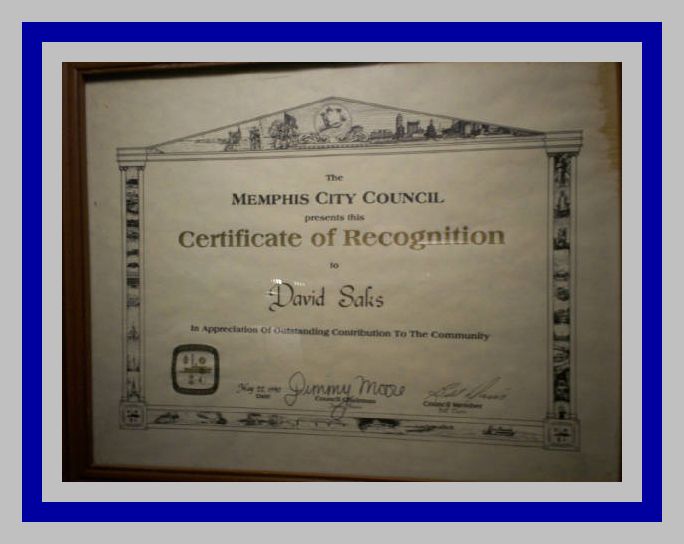
"Time
has flown and hasn't landed yet." What does this mean ?  When David Saks says, "Time has flown, but it hasn't landed yet," it suggests that while time has passed quickly, the impact or consequences of that passage are not yet fully realized or felt. It's a poetic way of expressing a sense of movement and change without a definitive conclusion or outcome. Imagine a bird flying swiftly through the air—it covers a lot of distance, but until it lands, the journey isn't complete. Similarly, our experiences and events in life might rush by, but their full meaning or effects might not settle in until later. It's a thought-provoking way to describe the fluid and often unpredictable nature of time and life.

 30
Reasons Why You Can't Get A Loan And /Or Go Broke  1.Delinquent Credit Obligations 2.Unsatisfactory Credit Experience 3.Bankruptcy & Wage Earner Debt 4.Garnishments, Repossessions &
Judgements 5.Insufficient Income For A Loan 6.Excessive Credit & Other Financial Obligations 7.Excessive Inquries On Credit Bureau Reports 8.Insufficient Credit Files & References 9.Length Of Employment 10.Unable To Verify Your Employment 11.Unsatisfactory Credit Experience With A Bank 12.The Bank's Loan Policy 13.Inadequate Collateral, Value & Condition Of Your Property 14.Insufficient Equity In The Property 15.Excessive Unsecured & Revolving Credit 16.The Length Of Residency 17.Unable To Verify Your Residency 18.Incomplete Credit Application 19.The Credit Applicant Does Not Meet The Legal Age Requirement 20.The Co-Signer Is Insufficient Or Unacceptable 21.The Credit Application Contains Misrepresentations 22.The Applicant Has Excessive Accounts With The Bank 23.Failure To Respond To Requests For Information 24.The Credit Applicant Is Out Of The Trade Area 25.The Credit Applicant Has Title Problems 26.The Applicant Has No Credit File With The Credit Bureau 27.The Applicant Is Unable To Verify Their Income As Stated 28.Divorce 29.Infidelity 30.You're A Gambler
 Our planet is our family table. Let's sit together and break bread instead of bones.
"Godzillion"  ©
2025 David Saks' "Godzillion", David Saks & DavidSaks.Com All Rights Reserved
 DavidSaks.Com Is A Legacy Website
To
All Of My Friends Throughout The World: The
creation of DavidSaks.Com began more than a quarter of a century ago when SSL/TLS/HTTPS (secured socket layer, transport layer security
and hypertext transfer protocol) cryptographic
protocols designed to provide communications security were not available. DavidSaks.Com
is not SSL/TLS/HTTPS layered and safe. Because of the nature of DavidSaks.Com
construction, the
legacy server hosting DavidSaks.Com, Register.Com, is incompatible
with SSL/TLS/HTTPS. This legacy server, in use for decades, cannot be transfered to the SSL/TLS/HTTPS
server of today. DavidSaks.Com
uses frameworks and techniques that have been superceded by newer codes and methods that are incompatible but in use on modern sites of today. Please
be assured that DavidSaks.Com has never been compromised and is safe to visit. Thank
you to the musicians, stamp collectors, colleges and universities, and many thousands of friends throughout the entire world for believing in me for so many years,
and for sharing their exceptional
and remarkable enthusiam for that of which I believe in. Know that, within my grateful heart, I
believe in you, too. -David Saks-
Https://MemphisStampClub.Org
David Saks is a Memphis-based pianist, composer, and long-time radio personality. Saks is most notably recognized for
composing two of the official songs of Memphis, "In Memphis" and "One Last Bridge," which were adopted by the Memphis
City Council in 1990 and 1991. Musical & Professional Achievements Composer: His manuscripts and piano works,
including Impressions of Memphis, are preserved in the Library of Congress. Performer: Saks has performed as a pianist at
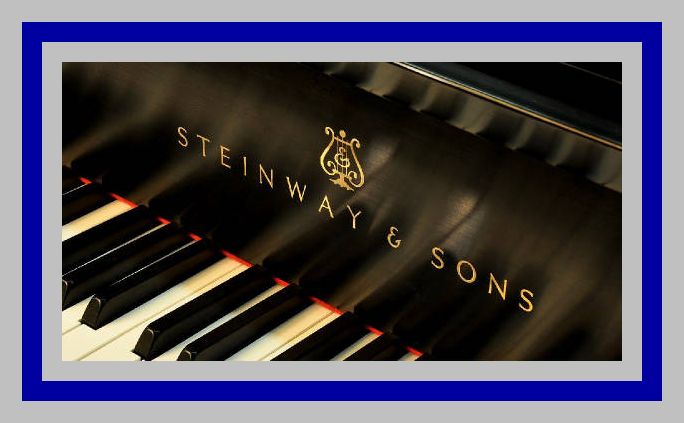
prestigious international venues, including Steinway Hall in London and New York. Radio Personality: He has hosted jazz and blues programs
for over five decades on various stations, including WUMR (University of Memphis), WEGR Rock103, National Public Radio WKNO and Rhodes
College’s WLYX. Advocacy: Outside of music, he is a retired real estate broker known for his work in fair housing and advocacy for the
physically challenged. Connection to Memphis Culture: Born in Memphis on August 1, 1952, Saks has deep ties to the city's musical history. He was a friend of Elvis Presley's uncle, Vester Presley, and was at Graceland on the day Elvis
died. He
also played a key role in the 1993 issuance of the Elvis Presley postage stamp, reflecting his interests as a dedicated philatelist (stamp
collector). Note on similar names: Although born David Cleve Sacks,
("c" removed from Saks' last name on his birth certificate) 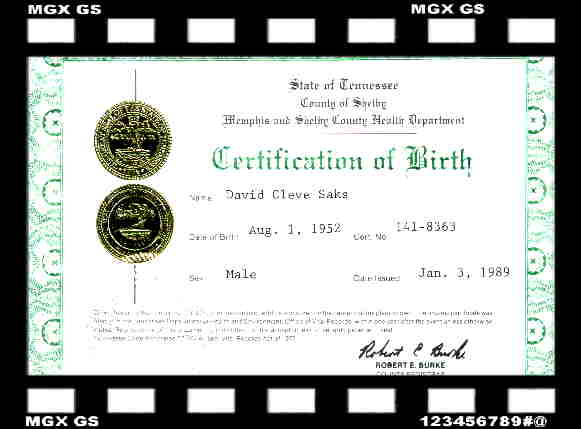 Saks' Birth Certificate Saks is often distinguished from
David Sacks, the prominent Silicon Valley venture capitalist (PayPal, Craft Ventures) who also grew up in Memphis but is not the musician in
question.
"The conspicuous
intent to obscure, hide and blot the truth with dangerous, innovative convolution targeting the naivety, ignorance and lack of sophistication of the world at large,
created by villainous,
corrupted, media-induced public opinion and pharmacologic sophistry
backed by profit and indemnity from negligence, endangers the life of every living thing on Earth."
Please NoteDavidSaks.Com is a legacy website originated
in 1999. This website is safe. Https: SSL is not required.
DavidSaks.Com is hereby expressly distanced from all content found on pages
over whose content that DavidSaks.Com cannot exert any influence,
but to which reference is made and/or linked from any DavidSaks.Com page
and does not adopt such content as that of DavidSaks.Com.
DavidSaks.Com has no influence on the content of external internet pages.
This site has been online for nearly three decades and has never experienced a shutdown.
Nor has it it ever been compromised or violated by any cyber threat,
If you see a prompt stating that this site is unsafe ignore it
As websites of today require SSL/TLS (Secure Socket Layer & Transport Layer Security) services
DavidSaks.Com did not many years ago.
There was no such thing as HTTPS:// when this site originated.
Ask DavidSaks.Com's host Register.Com.
This is a legacy site and has been hosted by Register.Com for nearly three decades.
Register.Com has taken very good care of my website for many years.
Register.Com is truly one of the greatest, most extraordinary, hosting services in the world.
I'm very grateful to host with Register.Com, a trusted old friend, and part of my family now.
Thank you for visiting my home on the internet.
Any responsibility for the contents of external websites -
even if these websites were reached via a link on this homepage
or any other page belonging to DavidSaks.Com - is therefore generally rejected.
"Thank you for visiting and believing in me." © 2026 David Saks & DavidSaks.Com All Rights Reserved
 Website Informer Trustworthy-Certified Safe Site
|


                                              |
 |
 |